Ballast Tank Inspection and Thickness Measurement
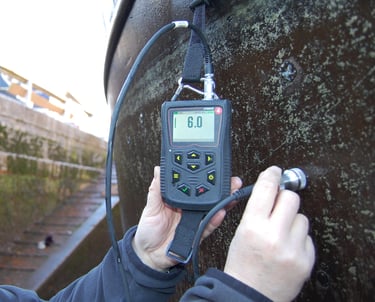
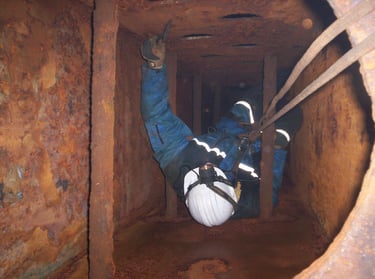
Ballast tanks are among the most corrosion-prone areas of a vessel, and their condition has a direct effect on structural reliability, class compliance and long-term maintenance costs.
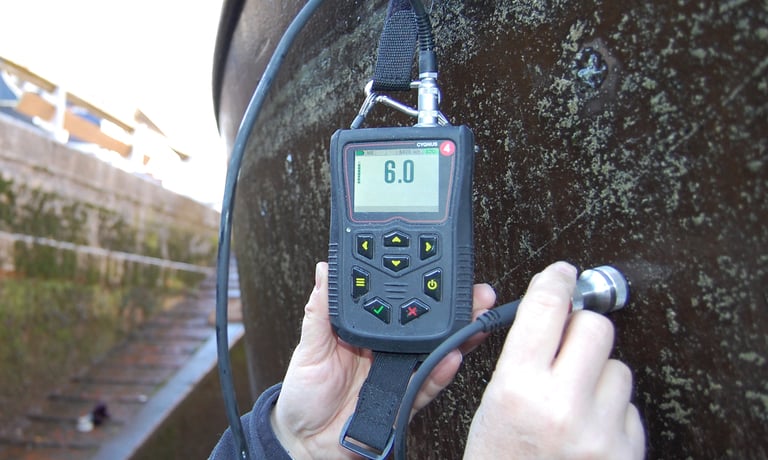
Harbort provides ballast tank inspections supported by ultrasonic thickness measurement and technical condition assessment to help owners detect deterioration at an early stage.
The service can support survey preparation and reporting under DNV, BV, Lloyd’s Register, RINA, NK, KR and PRS requirements.
Introduction
What is inspected
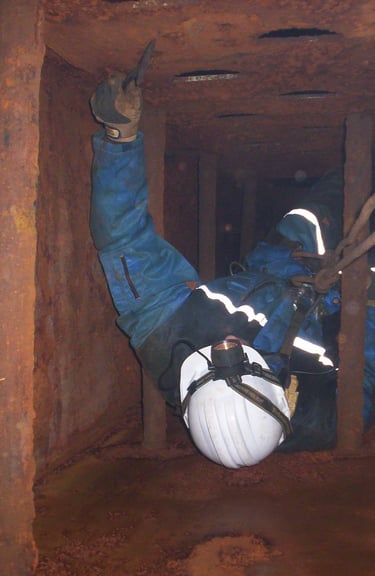
Ballast tank inspections typically include visual examination of plating, stiffeners, brackets, web frames, connections and other internal structural members.
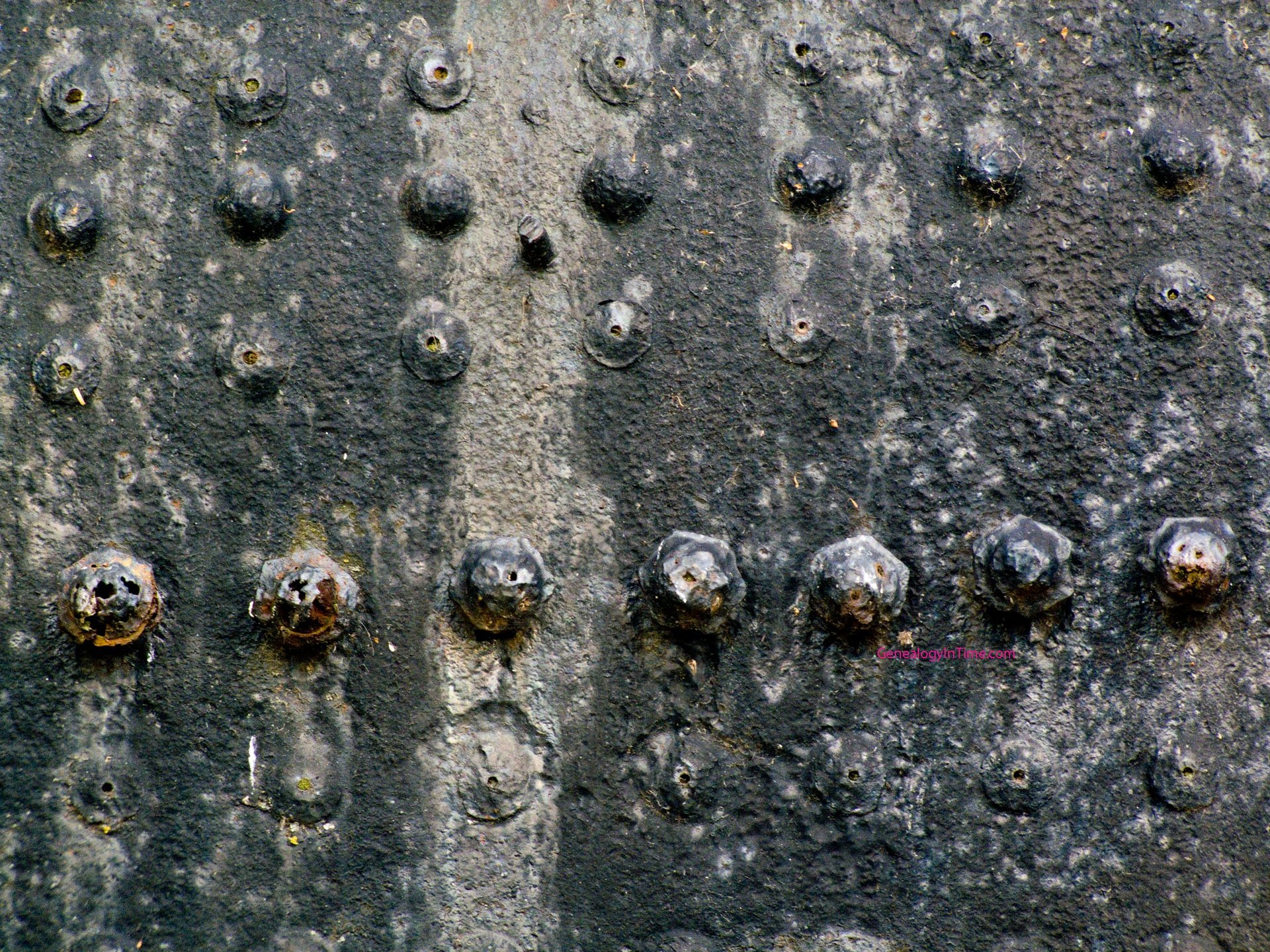
The condition of coatings, the extent of general corrosion, pitting, scale formation and local structural damage are reviewed together with thickness measurements in selected areas.
Particular attention is given to areas with poor coating condition, water traps, previous repairs and visible signs of accelerated wastage.
When the service is useful
This service is especially valuable before class renewal, intermediate surveys, CAP inspections, vessel purchase decisions and planned dry-docking periods.
Early identification of steel diminution and coating failure helps owners prepare repair budgets and avoid unexpected findings during formal surveys.
It also supports technical discussions with shipyards and reduces the risk of delay caused by late discovery of structural deficiencies.
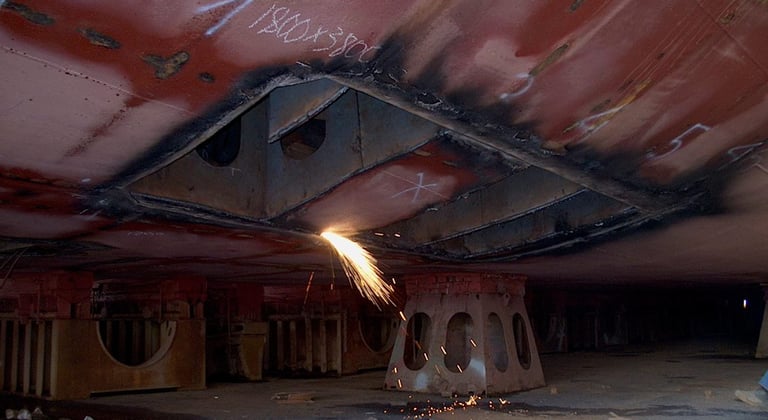
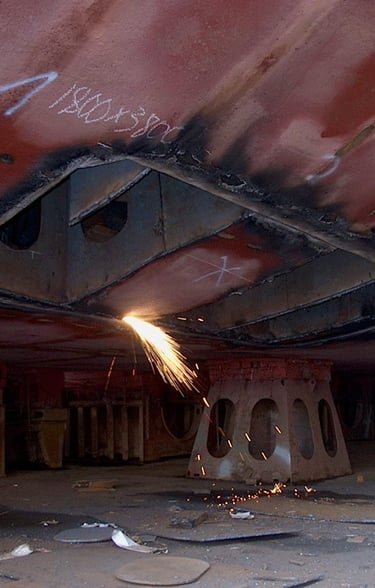
Reporting and owner benefits
Inspection findings are summarized in a practical report with measurement records, comments on condition and identification of areas requiring monitoring or repair.
This gives technical managers a clearer basis for maintenance planning, prioritization of steel renewals and communication with class and commercial stakeholders.
Accurate ballast tank condition data also contributes to safer operation and better long-term asset management.
Service area
Ballast tank inspection attendance can be arranged in Baltic and North Sea ports such as Klaipėda, Riga, Ventspils, Tallinn, Gdańsk, Gdynia, Hamburg, Rotterdam and Antwerp, subject to vessel schedule and safe access.
The scope can be adapted for quick port calls or more detailed dry-docking inspections.