
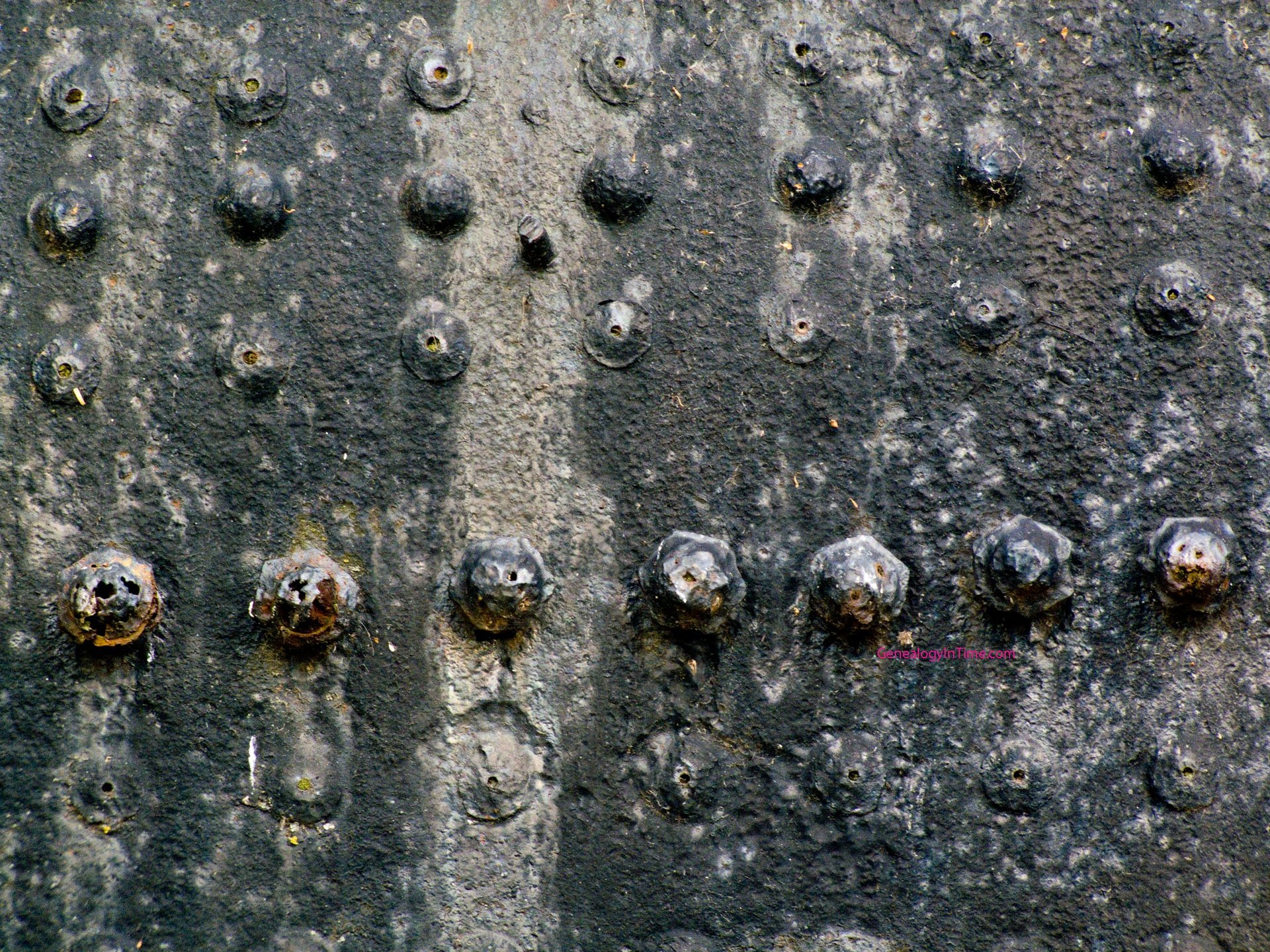
Ultrasonic Non Destructive Testing for Ships
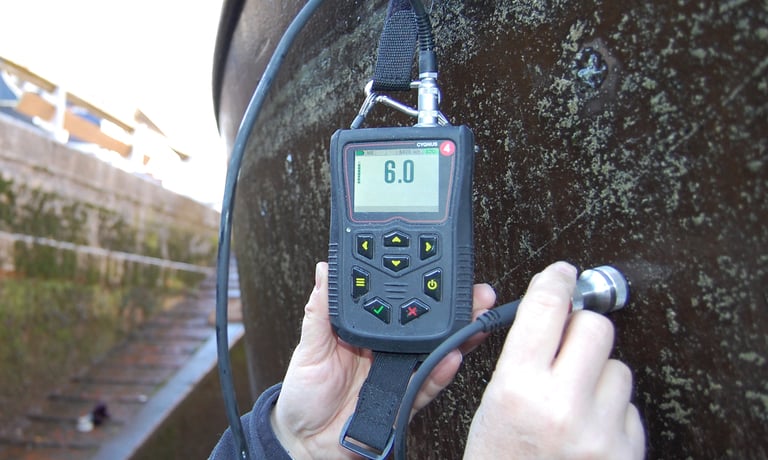
Ultrasonic non-destructive testing is used to assess the condition of structures and components without cutting, dismantling or damaging the material.
In marine applications, ultrasonic methods are especially valuable for thickness measurement, local flaw detection and condition assessment of steel structures exposed to corrosion and fatigue.
Harbort provides practical ultrasonic NDT support for shipowners and managers working under the standards and survey expectations of DNV, BV, Lloyd’s Register, RINA, NK, KR and PRS.
Applications
Ultrasonic NDT can be applied to hull structures, ballast tanks, cargo spaces, decks, hatch covers, piping systems, pressure components and selected machinery-related steel parts.
The exact inspection scope depends on vessel type, class requirements, repair history and the technical concern being investigated.
The service may be used during routine surveys, repair verification, owner’s inspections and condition monitoring programs.
What the NDT Service We Deliver For Ships
Depending on the assignment, the work may include thickness measurements, targeted checks of suspect areas, corrosion mapping and reporting of indications requiring further review.
Results are documented in a clear format so that owners, yards and surveyors can understand the location, severity and operational importance of findings.
A focused ultrasonic NDT scope can reduce uncertainty and improve decision-making before repairs are expanded or deferred.
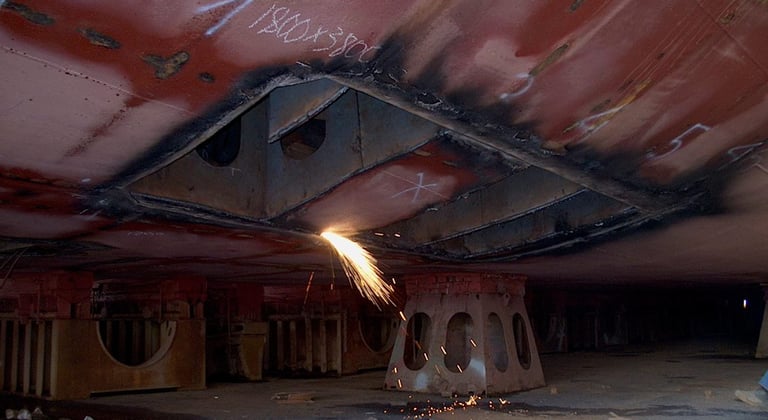
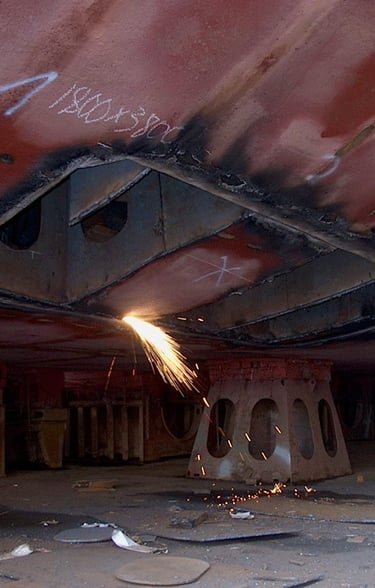
Ultrasonic Non Destructive Testing Technical approach
Testing is carried out with calibrated ultrasonic equipment by experienced personnel familiar with the working conditions found on board commercial vessels.
Attention is given to access, surface condition, safety and the practical limitations of onboard inspections so that the work remains efficient and relevant to the client’s objectives.
The outcome is a concise technical basis for maintenance planning, class communication and risk reduction.
Our NDT Service area
Ultrasonic NDT attendance can be organized in major Baltic and North Sea ports including Klaipėda, Liepāja, Riga, Tallinn, Gdańsk, Hamburg, Bremerhaven, Rotterdam and Antwerp.
Port selection and attendance planning depend on vessel itinerary, access arrangements and urgency of the case.